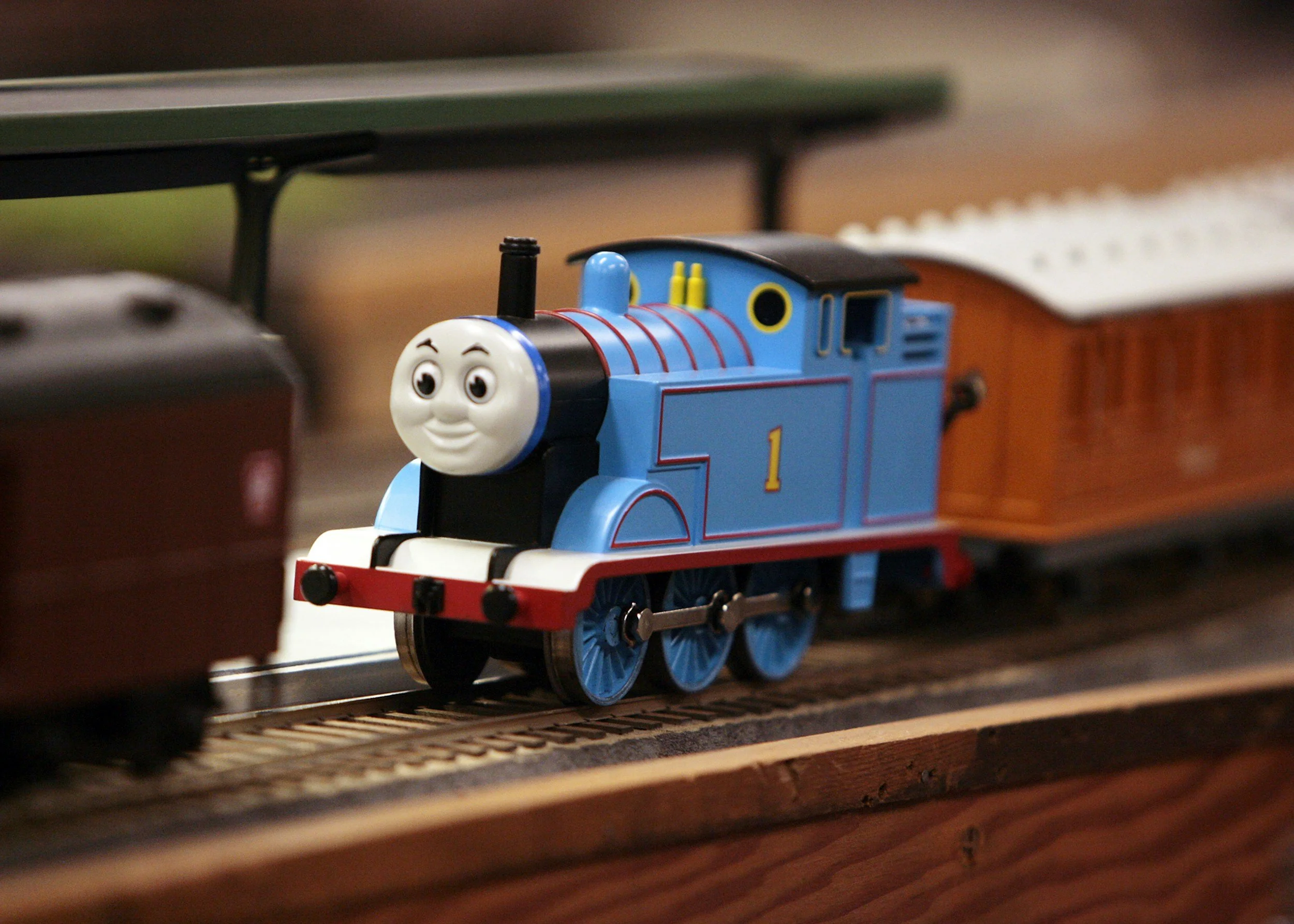
All Aboard: Using Thomas the Tank Engine to Help Young Children With Anxiety, Executive Functioning, and Big Feelings
What if your child's love of Thomas the Tank Engine could become a language for understanding their own brain? For young children with social anxiety, executive functioning challenges, sensory differences or possible autism, trains can make abstract concepts surprisingly concrete. Fuel becomes food and rest. Signals become emotional regulation. Switching tracks becomes flexible thinking. And returning to the shed becomes a way to understand the need for recovery. Here's how parents can enter a child's world and use a special interest to build connection, self-awareness and self-advocacy.

Why Small Moments Can Feel So Big
Have you ever noticed how a small moment can suddenly feel huge like someone not texting back or a child saying nobody wanted to play with them? Rejection sensitivity is when the brain reacts quickly to the fear of being left out or not liked. In this post we talk about what it is how it shows up in kids and adults and why understanding it can replace shame with self compassion.

The Truth About “Mom Brain” Executive Functioning and the Unique Impact on Mothers
If you’ve ever felt more forgetful, overwhelmed, or mentally stretched since becoming a mom, you’re not imagining it. The transition to motherhood reshapes the brain in powerful ways. Let’s talk about why “mom brain” is real and why it deserves compassion, not criticism.

Maybe It Was Never “Just Anxiety”
Many Xennial and Millennial parents are learning their lifelong “anxiety” is actually ADHD and executive dysfunction. This article explains why so many adults were missed, how parenting brings symptoms into focus, and how a late diagnosis can reduce shame and increase self understanding.