
When Your Childhood Pays the Bills: Collin Gosselin and the Conversation We Aren't Having About Familial Labor Trafficking
When a child's childhood becomes the family business, who protects the child? Collin Gosselin's story raises questions about parental power, coercion, and the often-overlooked possibility of familial labor trafficking.
How AI Is Making Me a Better Therapist, Not Replacing Me as One
AI isn't doing therapy for me. It's making me look more closely at how I do therapy. From catching patterns I missed to pointing out when I moved too quickly, AI has become a surprisingly useful mirror for my own clinical work. It doesn't replace judgment, supervision, training, or the human relationship. It makes me think harder about all of them.
When the World Starts the Conversation Before You're Ready
Sometimes our kids hear chapter twelve while we’re still thoughtfully teaching chapter four. When peers, the news, or the outside world introduce topics like sexual assault before we think our children are ready, we don’t have to choose between saying nothing and telling them everything. Here’s how to stay honest, developmentally appropriate, and connected to the child in front of you.
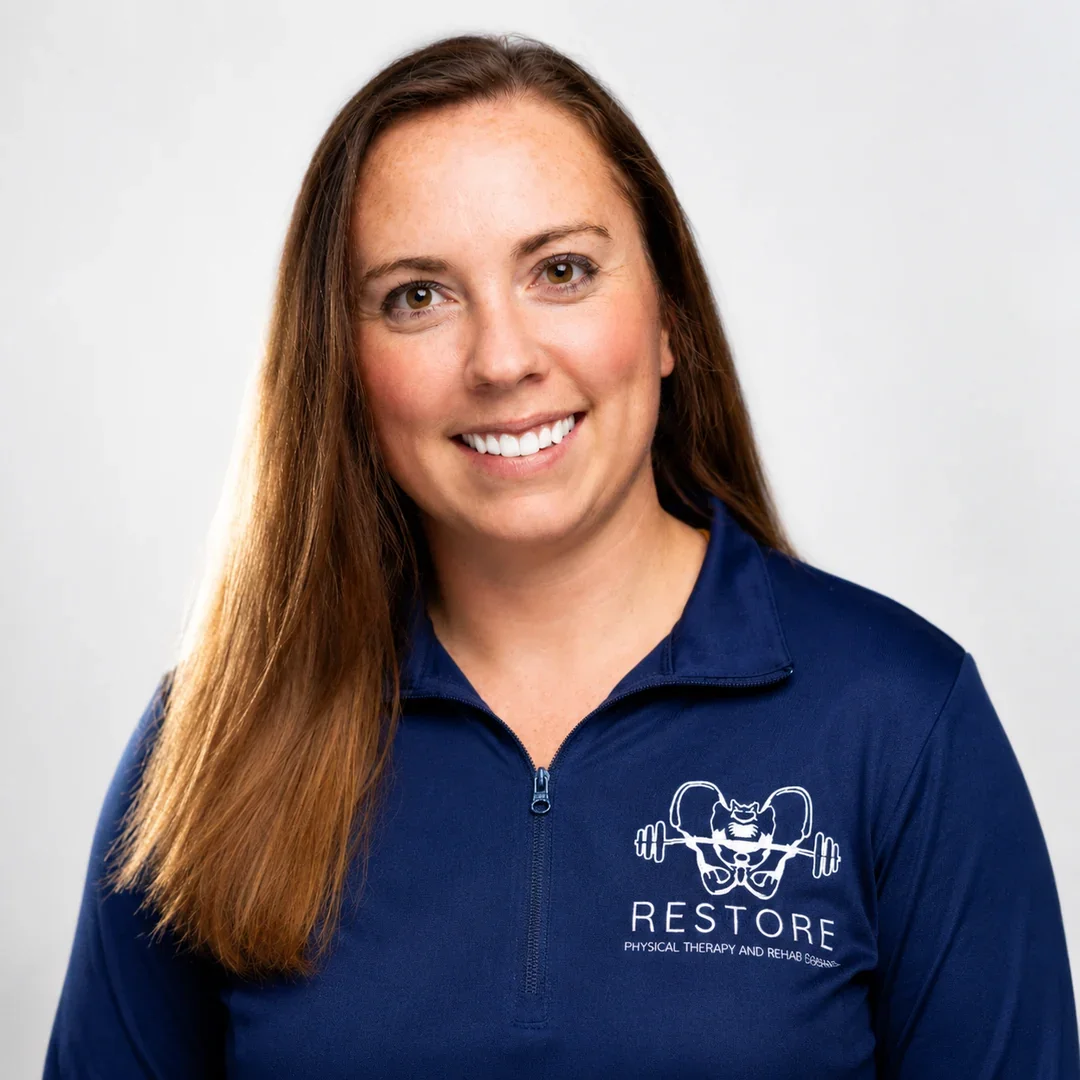
Guest Post: Understanding and Managing Pain with Intercourse
Pain with intercourse is common, but that doesn’t mean you have to accept it as your normal. Pelvic floor physical therapist Victoria Clement explains some of the reasons sex can become painful, what a pelvic floor evaluation actually looks like, and how individualized treatment can help you get back to intimacy without anticipating pain.

The Cornell Sexual Assault Case: A Therapist on Trauma, Bystanders & Accountability
When a sexual assault case dominates the headlines, there are people reading who recognize pieces of their own stories. A therapist looks beyond the courtroom at survivors carrying untold experiences, people who have caused harm, bystanders who stayed silent, and the difficult work of truth, accountability and change.

When Everyone Is Trying to Prove They’re Not the Bad Guy
Sometimes a family conversation starts with “I was hurt” and somehow ends with everyone defending their entire history as a parent, child, partner, or person. When families become focused on proving who was right, they often miss the more important questions underneath: Does my pain matter to you? And can you still love me if I hurt you? Here’s how families can move from defending the past toward repairing the relationship.
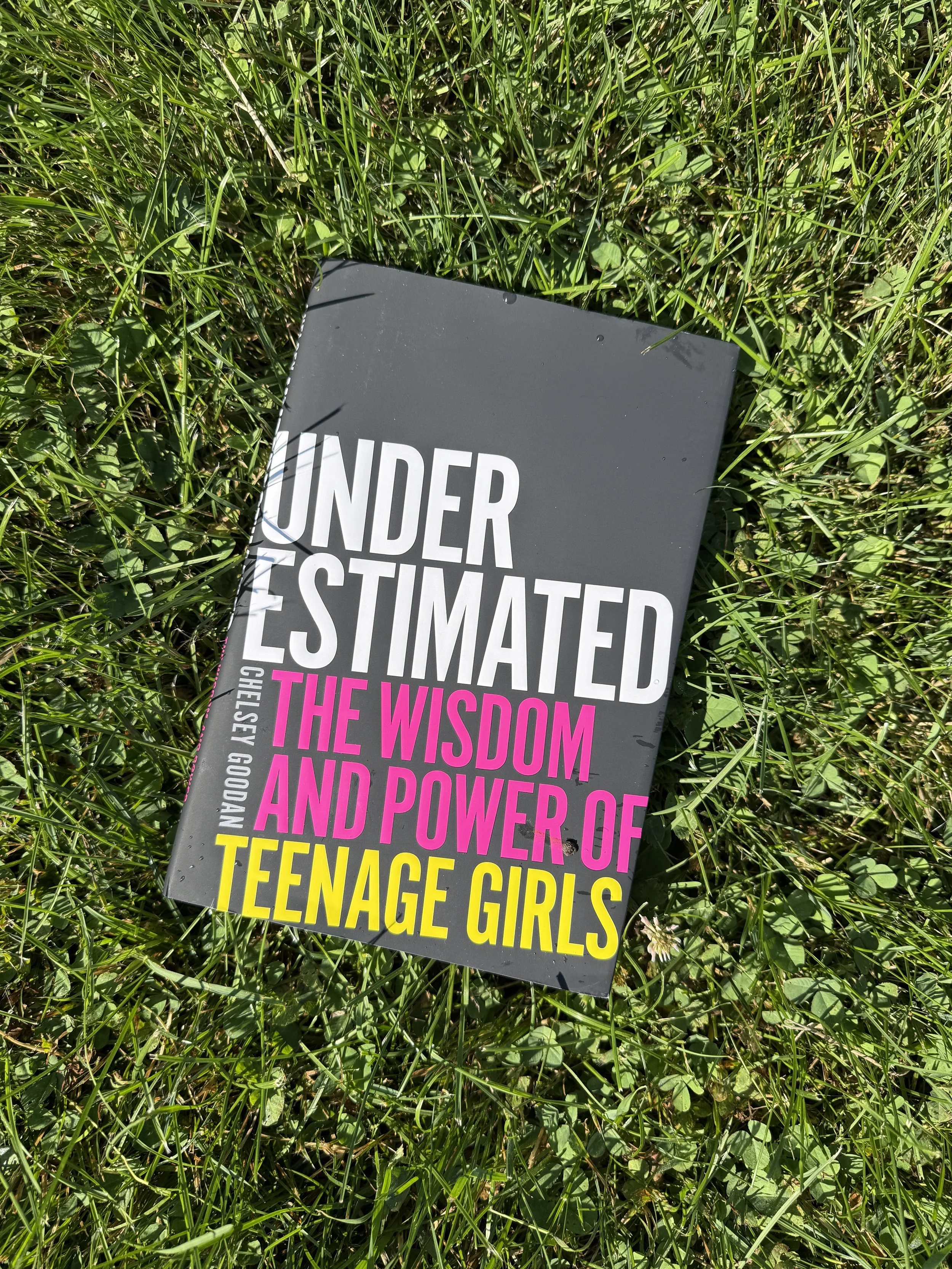
Underestimated: What Teenage Girls Wish We Understood
What if teenage girls aren’t problems we’re supposed to solve? A therapist’s take on Underestimated: The Wisdom and Power of Teenage Girls, including what parents and professionals should take from the book, the resources worth copying, and some uncomfortable questions about how we listen to, trust and raise girls.

D.A.R.E. Prepared Me for the Wrong Decade
D.A.R.E. taught an entire generation how to say no to drugs and resist peer pressure. The problem? Nobody warned us that peer pressure might actually get more complicated in adulthood. Today, it can look like gummies passed around at concerts, Adderall jokes at happy hour, GLP-1 before-and-after photos, wellness supplements, influencer recommendations, and the quiet pressure to find something…anything…that helps us keep up. Maybe D.A.R.E. didn't prepare us for the wrong problem. Maybe it just prepared us for the wrong decade.
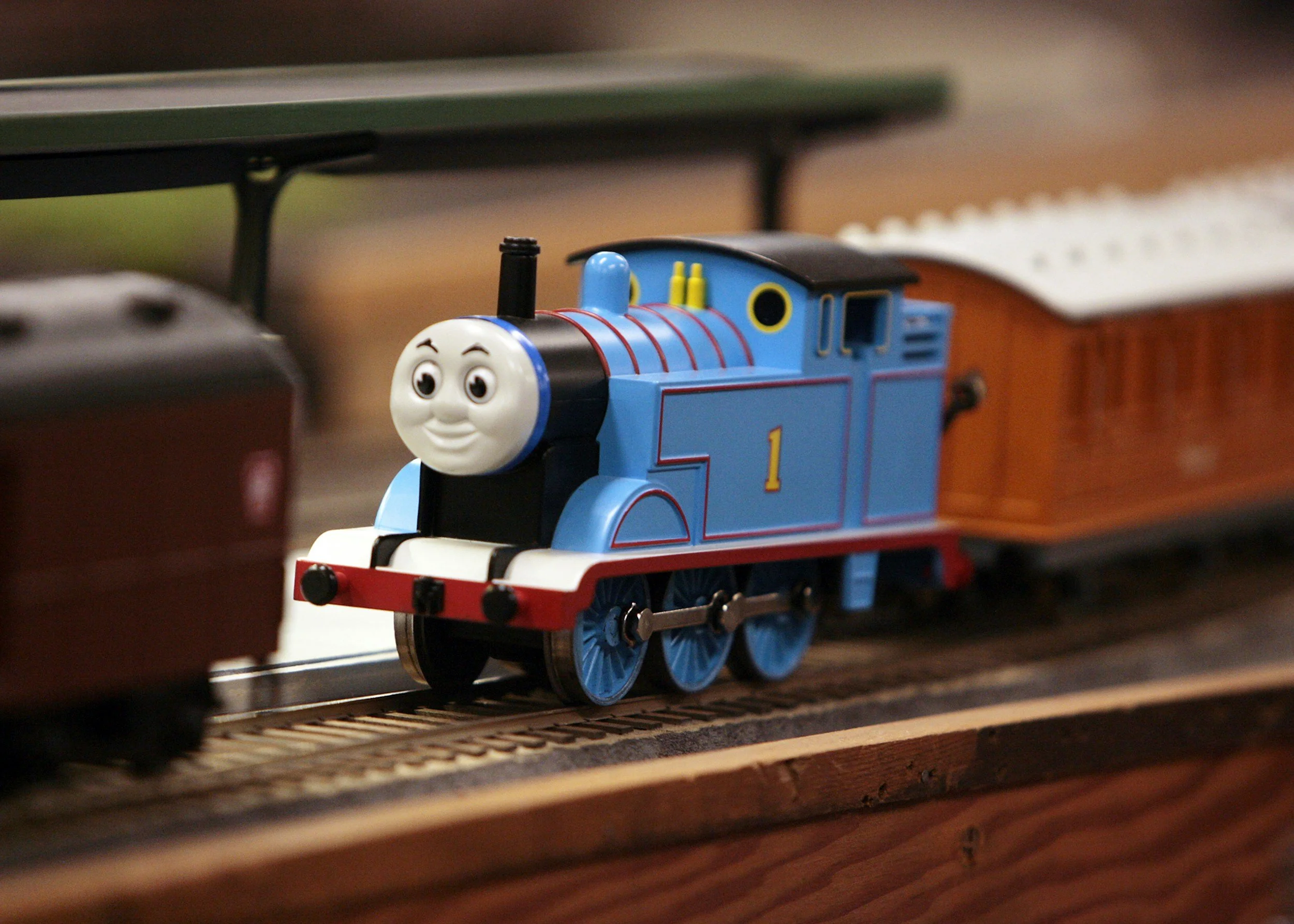
All Aboard: Using Thomas the Tank Engine to Help Young Children With Anxiety, Executive Functioning, and Big Feelings
What if your child's love of Thomas the Tank Engine could become a language for understanding their own brain? For young children with social anxiety, executive functioning challenges, sensory differences or possible autism, trains can make abstract concepts surprisingly concrete. Fuel becomes food and rest. Signals become emotional regulation. Switching tracks becomes flexible thinking. And returning to the shed becomes a way to understand the need for recovery. Here's how parents can enter a child's world and use a special interest to build connection, self-awareness and self-advocacy.

Newsletter: Maybe Nothing Changed This Summer, and Maybe That’s the Problem
Maybe September is the real New Year. After a summer of camps, vacations, sports, loose routines and telling ourselves we'll deal with things “when life settles down,” fall gives us a natural chance to check in. What deserves more space in your life? What doesn't fit anymore? What did you hope would be different by now? Maybe something changed this summer. Or maybe nothing changed, and that's the problem.
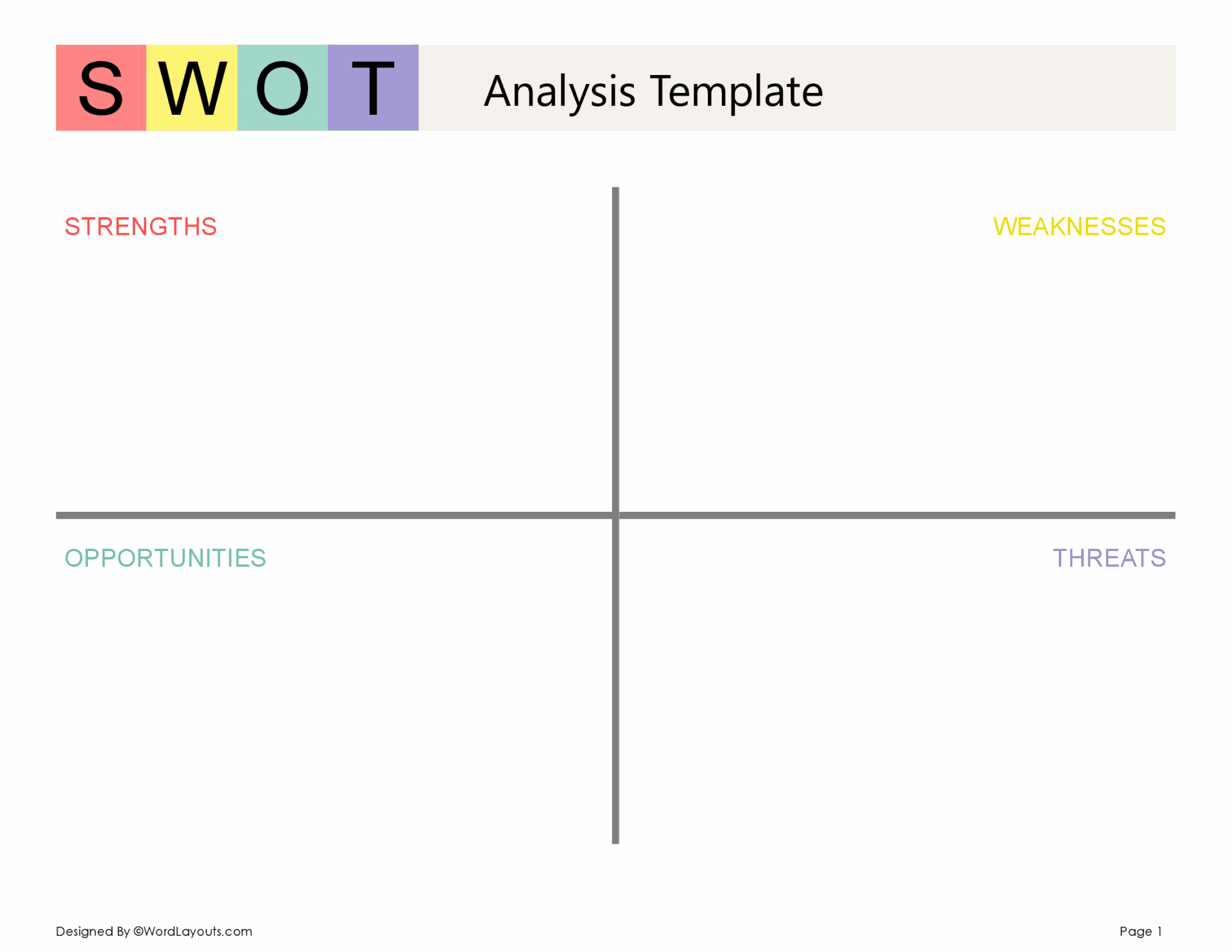
Your Relationship Needs a SWOT Analysis
What if you evaluated your marriage, family, or friendships the same way successful businesses evaluate themselves? A simple SWOT analysis can reveal the strengths that keep your relationships resilient, the weaknesses that deserve attention, the opportunities for growth, and the hidden threats that slowly chip away at connection. Healthy relationships don't happen by accident. They happen through intentional reflection.
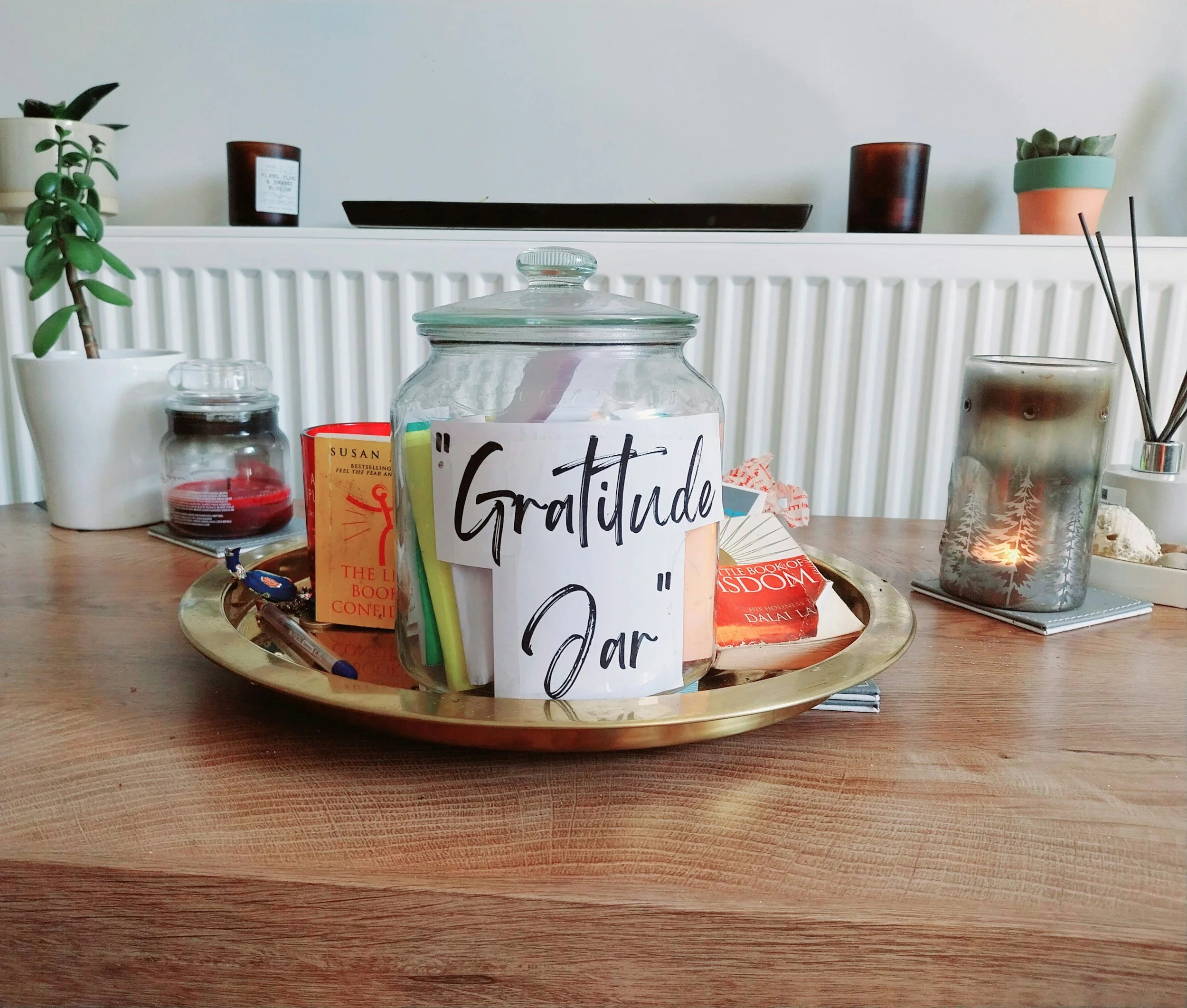
Stop Teaching Gratitude. Start Teaching Responsibility.
Teaching kids gratitude is important, but gratitude alone doesn't prepare them for adulthood. The real lesson isn't "look how lucky you are." It's understanding that every privilege comes with a responsibility. When families shift from guilt and gratitude lectures to conversations about trust, contribution, and readiness, children learn something far more valuable than thankfulness: accountability.

Why Do We Feel Guilty When Life Gets Easier?
Many women feel guilty when life gets easier. Whether it's hiring a babysitter, paying for a cleaning service, or finally having enough financial breathing room to outsource a few tasks, comfort can feel surprisingly uncomfortable. The problem isn't the help. It's the belief that struggle is what makes us worthy.

The Group Trip by Audrey Ingram: A Therapist's Review on Friendship, People-Pleasing, and Why Nobody Just Said the Thing
Most friendship breakups don't happen because of one big betrayal. They happen because nobody says what they actually mean. Audrey Ingram's The Group Trip is a surprisingly sharp look at friendship, people-pleasing, and the unspoken rules that keep adult relationships stuck. Through a therapist's lens, this novel explores how friend groups function like family systems, why so many adults struggle with honest communication, and what the growing friendship recession may be teaching us about connection. If you've ever stayed quiet to keep the peace, felt trapped by a role in your friend group, or wondered why some friendships survive while others fall apart, this book will give you plenty to think about.

How to Break Up With Your Therapist (And How to Know If It's Time)
Therapy is one of the only relationships that's supposed to end when things are going well. But how do you know when you're actually ready to leave? Learn the signs that it's time to graduate from therapy, when you shouldn't quit yet, and the questions every client should be asking about their treatment goals.

When Cancer Impacts the Whole Family: The Emotional Reality of Testicular Cancer
A testicular cancer diagnosis impacts far more than physical health. It affects relationships, parenting, identity, routines, and the emotional wellbeing of an entire family. In this article, therapist Renée Calhoun, LMFT shares insights from her appearance on the “It Takes Balls” podcast by the Testicular Cancer Awareness Foundation, exploring how families can navigate difficult conversations, emotional uncertainty, survival mode, and life after treatment with honesty, connection, and support.

Your Invisible Compass: How Your Values Help You Choose Friends, Make Decisions, and Feel Good About Yourself
Have you ever walked away from school or hanging out with friends feeling like something just didn't sit right? That feeling might have less to do with what happened and more to do with your values. This tween-friendly guide helps kids discover what matters most to them, understand why some friendships feel easy while others don't, and learn how values like kindness, honesty, responsibility, and accountability can become their own invisible compass for making confident choices.

When Your Partner’s “Part” Takes Over: An IFS Perspective on Relationships, Conflict, and Connection
Sometimes couples are not actually fighting each other. They’re fighting from protective “parts” that learned long ago how to survive pain, rejection, criticism, abandonment, or chaos. In Internal Family Systems, these parts might look like the fixer, the shutdown partner, the people pleaser, the angry protector, or the anxious pursuer. The problem is that what once protected someone in childhood can quietly damage intimacy in adulthood. This article explores how couples can stop battling each other’s defenses, understand the fears underneath them, and build the emotional safety needed for real connection.
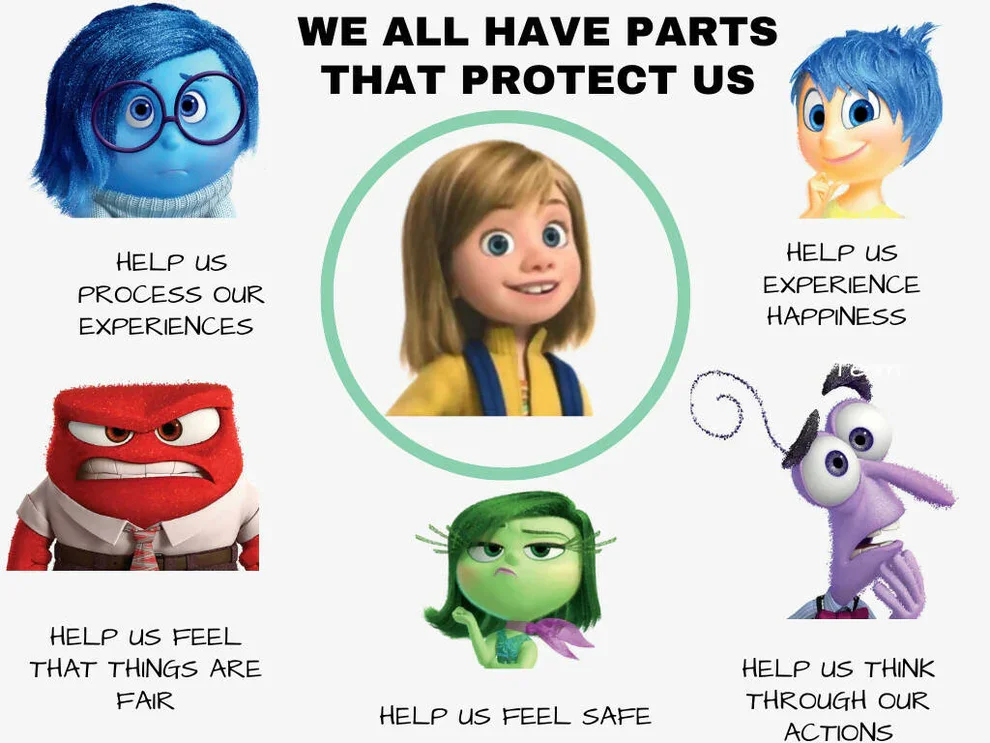
You're Not Crazy. Your Brain Is Just Running a Group Project.
If you've ever watched Inside Out and wondered why a cartoon made you cry, there's a reason. Pixar accidentally created one of the best introductions to Internal Family Systems (IFS). Here's how Joy, Sadness, Anxiety, and the rest of Riley's crew can help you understand your own mind.

Mom Doesn't Get a Vacation. She Gets a Change of Scenery.
Vacation is supposed to be a break, but for many moms, it's just parenting in a different location. While everyone else packs a suitcase, she's packing for the kids, making reservations, remembering medications, planning meals, taking the pictures, and carrying the invisible mental load that makes family memories possible. If you came home from vacation feeling more exhausted than when you left, you're not alone. The good news? Resentment doesn't have to be next year's travel itinerary. Let's talk about how to share the load before the trip, find moments to actually rest while you're away, and have the conversations that make family vacations feel like a vacation for everyone.