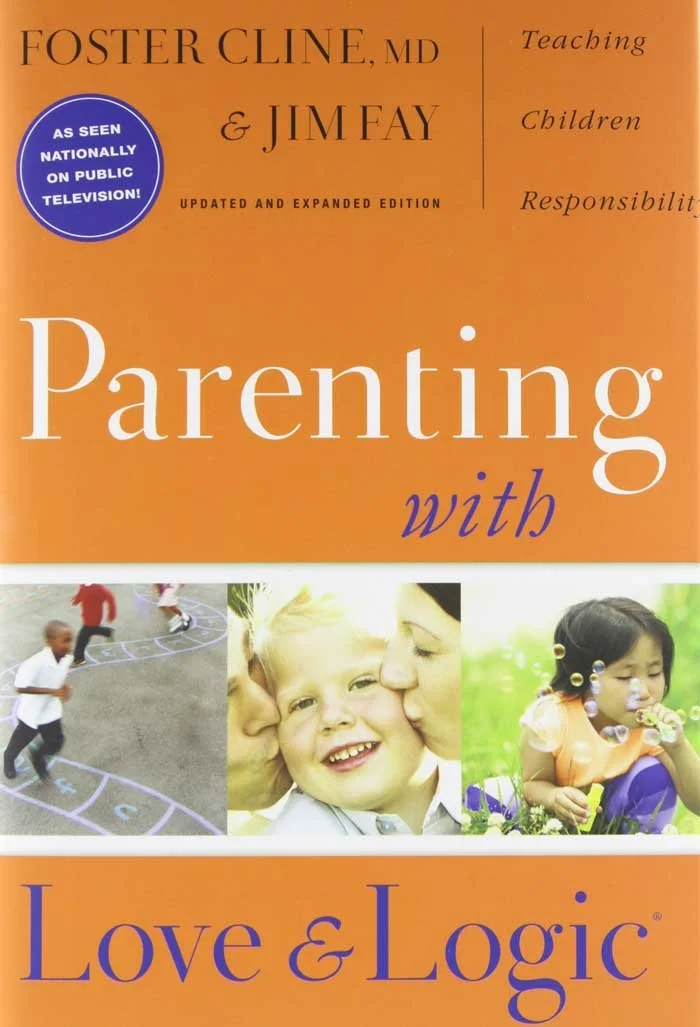
Book Review: Parenting with Love & Logic by Foster Cline and Jim Fay
If you have ever thought, “I am so tired of repeating myself,” “I feel like everything turns into an argument,” “I do not want to yell, but I do not know what else to do,” or “I feel guilty setting limits, but I cannot keep living like this,” you are not alone.
These are the kinds of things people say to me every day. Parents, partners, adult children, caregivers, and people who feel responsible for everyone else often describe feeling stuck in exhausting loops. They are trying to be patient and understanding, but they are also burned out, resentful, or overwhelmed.
That is why one of the books I often recommend is Parenting with Love and Logic by Foster Cline and Jim Fay. Even though it is marketed as a parenting book, it is really about something much bigger. It is about learning how to set limits without constant conflict, how to stop carrying problems that are not yours to solve, and how to stay connected without giving everything away.
I also want to name something practical and very real. I personally liked this book best in the audiobook format. Many people I work with are busy, overstimulated, or simply exhausted, and sitting down to read can feel like one more task. Listening while driving, walking, or doing household routines made the ideas easier to absorb and less overwhelming. The tone of the audiobook often helps the concepts land in a calmer, more relatable way.
At its heart, Love and Logic helps people move out of reaction mode. Instead of responding out of frustration, fear, or guilt, it teaches a calmer way to respond that does not rely on yelling, threatening, or over explaining. Many people feel relief simply realizing they do not have to work harder than everyone else in the relationship.
One of the biggest shifts Love and Logic offers is a different way to think about boundaries. Boundaries are not about being mean, rigid, or controlling. They are not about making someone else behave. They are about being clear with yourself about what you will do and what you will provide.
This shift alone can change the emotional tone of a household or relationship. When boundaries focus on your actions rather than someone else’s behavior, conversations tend to feel less charged. There is less arguing, less defensiveness, and less emotional back and forth. Over time, people begin to experience the natural results of their choices without you having to force the lesson.
This approach works well with children because it allows them to learn responsibility without feeling shamed or controlled. Younger children benefit from simple choices and clear cause and effect. Elementary aged children begin to understand that their choices matter and that privileges are connected to follow through. Teenagers, who are wired for independence, often respond better when they are trusted to learn from real life rather than being micromanaged.
What many people do not realize is that Love and Logic is not just one book. There are multiple versions and adaptations designed for different situations and stages of life. There are Love and Logic books focused on parenting children with special needs, on marriage and partnership, on teaching, and on specific developmental challenges. This makes it easier to find a version that fits your family, your relationship, or your current season of life rather than trying to force a one size fits all approach.
These same principles also apply beautifully to adults. Love and Logic can be especially helpful in relationships with college aged children, adult children living at home, partners, and even extended family members. It supports people in stepping out of the role of fixer, manager, or peacekeeper and into a role that is calmer, clearer, and more sustainable.
For many people, this is the first time they realize they can be empathetic without rescuing. They can care deeply without carrying everything. They can stay connected without losing themselves.
From a clinical perspective, Love and Logic aligns well with what we understand about emotional regulation, attachment, and systems. When adults change how they respond, the entire system shifts. People feel less controlled and more capable. Responsibility increases because it is no longer being taken away. Relationships often feel calmer, clearer, and more respectful.
This approach is not about doing things perfectly. There will still be hard days, and repair still matters. What Love and Logic offers is a steadier way forward, especially for people who are exhausted by constant conflict or emotional over functioning.
I especially recommend these books for families with children of any age, adults who struggle with guilt around boundaries, parents navigating special needs, couples who want to reduce conflict, and anyone who wants relationships with less tension and more clarity.
Love and Logic reminds us that boundaries do not have to damage relationships. Empathy does not require self abandonment. Responsibility grows best when people are allowed to experience real life with support rather than control.
About the Author: Renée M. Calhoun, LMFT is a Licensed Marriage and Family Therapist providing virtual therapy to individuals, couples, and families in Pennsylvania and New York. She specializes in ADHD, trauma, family systems, substance use, and supporting high functioning women and parents navigating stress, burnout, and life transitions. Renée is passionate about helping people understand their nervous systems, build healthier relationships, and feel more confident in their everyday lives. Learn more at www.reneecalhounlmft.com.
Disclaimer: This content is for educational purposes only and is not a substitute for therapy or mental health care.
You might see links in this post. If you choose to purchase through them, I may earn a small commission at no extra cost to you.
I only recommend resources I genuinely use and trust.
