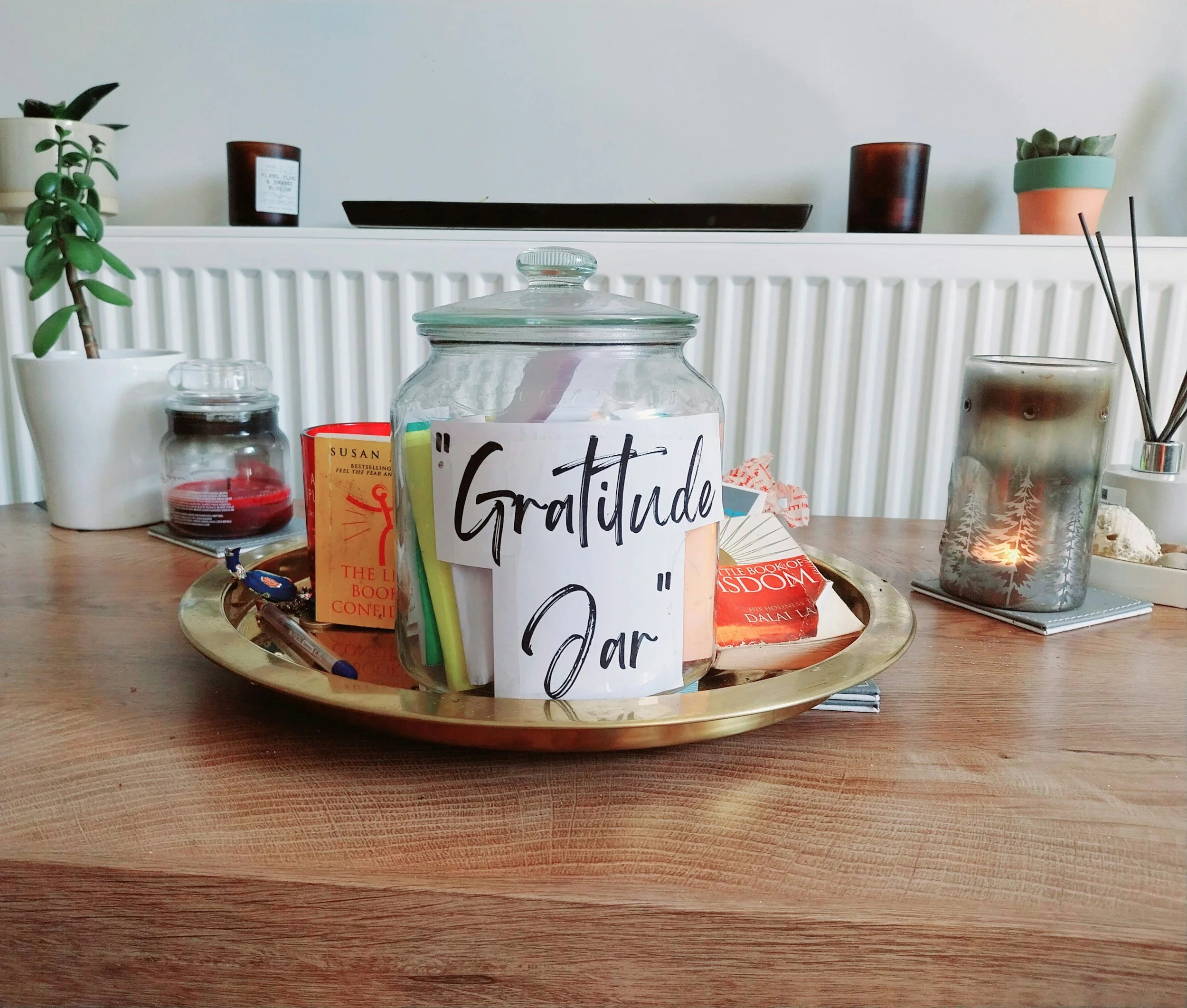
Stop Teaching Gratitude. Start Teaching Responsibility.
Teaching kids gratitude is important, but gratitude alone doesn't prepare them for adulthood. The real lesson isn't "look how lucky you are." It's understanding that every privilege comes with a responsibility. When families shift from guilt and gratitude lectures to conversations about trust, contribution, and readiness, children learn something far more valuable than thankfulness: accountability.

The New Addiction We’re Not Talking About: GLP-1s, Control, and the Illusion of “Fixing It”
GLP-1 medications like Ozempic, Wegovy, and Mounjaro are changing more than appetite. They’re changing people’s relationships with food, control, dopamine, and emotional regulation. In therapy rooms, a quieter conversation is emerging about dependency, transfer addiction, identity shifts, and the fear of losing progress if the medication stops. This isn’t about shaming medication use. It’s about asking deeper questions about healing, coping, and what true freedom actually looks like.

Therapist Wellbeing Isn’t Optional. It’s the Treatment.
Therapist burnout doesn’t stay in the therapist’s life. It walks into the therapy room. Here’s why clinician wellbeing directly impacts whether clients stay or leave.

Let’s Talk About Microaggressions Because Bravo Just Gave Us a Real Time Case Study
You can not intend harm and still cause harm. That is the heart of the conversation playing out on Southern Hospitality, and it is why this moment matters far beyond reality TV.

If You’re More Mad at Amanda Than West, Ask Yourself Why
If you’re more upset with Amanda than West, it’s worth asking why. This isn’t just a messy reality TV moment on Summer House. It’s a reflection of how quickly we shift responsibility away from men and place it onto women. West is responsible for his behavior, full stop. But the outrage is louder toward Amanda because she broke expectation. Ciara was clear, direct, and honest about what respect looked like, and when that clarity wasn’t honored, it didn’t just feel disappointing. It felt familiar. This isn’t just about a relationship. It’s about accountability, friendship, and the patterns people recognize immediately.

I Might Not Be the Therapist for You. And That’s Actually a Good Thing.
Not every therapist is the right fit and that’s a good thing. This article breaks down the difference between experience and expertise, why it matters in therapy, and the key questions to ask before choosing a therapist who truly understands you.

Tell Me Lies, Toxic Love, and the Relationships That Made Us Question Ourselves
Why does Tell Me Lies feel so personal for so many people? This article explores the relationship dynamics between Stephen, Lucy, Bree, and Diana and why toxic love can feel familiar. From power imbalances to losing yourself in a relationship, it looks at the emotional patterns that make the show resonate and what it reveals about the way many of us learned to understand love.