
Let’s Talk About Microaggressions Because Bravo Just Gave Us a Real Time Case Study
You can not intend harm and still cause harm. That is the heart of the conversation playing out on Southern Hospitality, and it is why this moment matters far beyond reality TV.
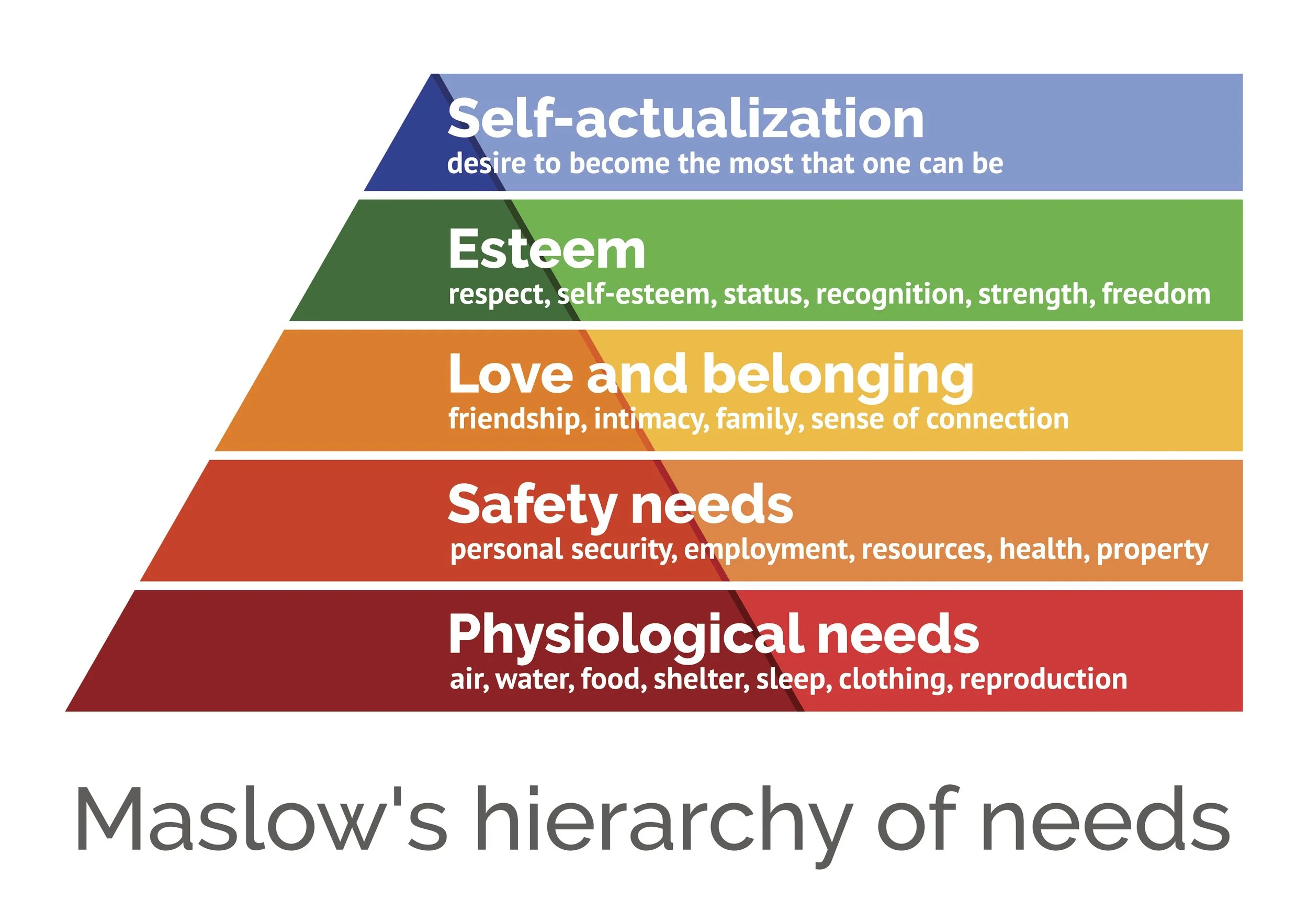
Maslow’s Hierarchy of Needs and Why Therapy Cannot Skip the Bottom of the Pyramid
Therapy cannot work the way it is intended when a client’s basic needs are not being met. Maslow’s Hierarchy of Needs reminds us that food, housing, safety, health, stability, and connection come before insight, behavior change, or personal growth. When the nervous system is focused on survival, it cannot access healing. What may look like resistance or lack of motivation is often a human response to unmet needs. Before asking clients to reach the top of the pyramid, therapy must help stabilize the foundation.

If You’re More Mad at Amanda Than West, Ask Yourself Why
If you’re more upset with Amanda than West, it’s worth asking why. This isn’t just a messy reality TV moment on Summer House. It’s a reflection of how quickly we shift responsibility away from men and place it onto women. West is responsible for his behavior, full stop. But the outrage is louder toward Amanda because she broke expectation. Ciara was clear, direct, and honest about what respect looked like, and when that clarity wasn’t honored, it didn’t just feel disappointing. It felt familiar. This isn’t just about a relationship. It’s about accountability, friendship, and the patterns people recognize immediately.

Reflections After Watching Murder to Mercy: The Cyntoia Brown Story
After attending a screening of Murder to Mercy: The Cyntoia Brown Story at Penn State Abington, I left with more questions than answers. The evening included a live virtual conversation with Cyntoia Brown Long and sparked reflections on justice, trauma, consent, and the ways people can grow beyond the worst moments of their lives. It also brought back personal memories from my own teenage years working in a juvenile detention center and the questions I carried then about why some kids ended up behind locked doors while others did not.

When Life Kicks the Door In (and You’re Still Expected to Function Normally)
What happens when the person who holds everything together… can’t? This season pushed me beyond my limits as a caregiver, therapist, and human. And somehow, the people I support ended up teaching me the most about grace.

When Protection Fails: The Quiet Grief Millennial and Xennial Parents Carry
Millennial and Xennial parents are carrying a quiet kind of grief. We grew up believing the adults and institutions around us would keep kids safe. Over time that trust cracked, and now many of us find ourselves parenting with constant vigilance. We track phones, question sleepovers, and double check systems that were once taken for granted. Beneath the hovering is not just fear but loss. It is the loss of the innocence of childhood and the realization that we are trying to build safety for our kids in a world where trust no longer comes easily.

The Clients I Didn’t Realize Were Victims of Human Trafficking
I was sitting across from survivors of human trafficking for years without realizing it. What I thought was trauma and addiction was often something more. This is what changed and why awareness matters more than we think.

The Myth of “Doing It All”
From the outside it can look like someone “does it all.” The kids are where they need to be, the appointments are scheduled, the teachers get thoughtful gifts, and the calendar somehow works. But what people don’t see is the mental load behind the scenes. The constant planning, the sacrifices, and the parts of life that quietly fall away. The truth is most of us are not doing it all. We are doing some things well, some things imperfectly, and leaving other things undone. And that is more normal than anyone admits.

Ending the Night with Curiosity: Why Bedtime Questions Build Connection
The simplest way to strengthen connection with your child might be the last five minutes of the day. Learn how curious bedtime conversations, not advice, build trust, emotional safety, and lasting closeness, plus get 30 printable questions to try tonight.

How to Talk to Your Kids About Human Trafficking (Without Scaring Them)
Talking to your kids about human trafficking can feel overwhelming, but avoiding the conversation does not keep them safe. This guide walks parents through simple, age-appropriate ways to explain the topic from preschool through high school, focusing on connection, safety, and keeping communication open rather than creating fear.

When My Worlds Finally Collided in the Best Way
There’s a quiet kind of isolation that comes with being a therapist. So much of what we carry can’t be shared. Through Worthwhile and Words of Worth, that finally changed for me. For the first time, my family, my work, and my community are coming together in a way that feels meaningful, connected, and long overdue.

I Might Not Be the Therapist for You. And That’s Actually a Good Thing.
Not every therapist is the right fit and that’s a good thing. This article breaks down the difference between experience and expertise, why it matters in therapy, and the key questions to ask before choosing a therapist who truly understands you.

Why Small Moments Can Feel So Big
Have you ever noticed how a small moment can suddenly feel huge like someone not texting back or a child saying nobody wanted to play with them? Rejection sensitivity is when the brain reacts quickly to the fear of being left out or not liked. In this post we talk about what it is how it shows up in kids and adults and why understanding it can replace shame with self compassion.

Healthy Friendships and Relationships at Every Age
Talking with kids and teens about friendships, dating, and boundaries doesn’t require perfect words, just curiosity. This article shares age-by-age conversation starters and reflections to help young people build relationships rooted in respect, emotional safety, and connection.

Why Perimenopause Can Make You Feel Like You’re Loosing Your Mind
Many women enter perimenopause expecting hot flashes and mood swings but are surprised by symptoms like brain fog, forgetfulness, tinnitus, and sudden emotional shifts. These changes can feel frightening and confusing. This article explains why perimenopause can make you feel like you are losing your mind and why these symptoms are actually part of a normal hormonal transition.

In Defense of Medium Friends
We often think friendship has to be all or nothing: best friend or acquaintance. But there is a middle space that rarely gets celebrated…the “medium friend.” These low-pressure friendships can be some of the healthiest connections in adult life. In this article, therapist Renée Calhoun explains why medium friendships reduce pressure, support healthier expectations, and help both adults and kids build stronger social networks.

Learning to Love In Every Language
Most of us were taught to treat others the way we want to be treated. But in relationships that approach often falls short. Learning your partner’s and your child’s love language can transform connection, reduce frustration, and help love land in the way it was meant to be felt.
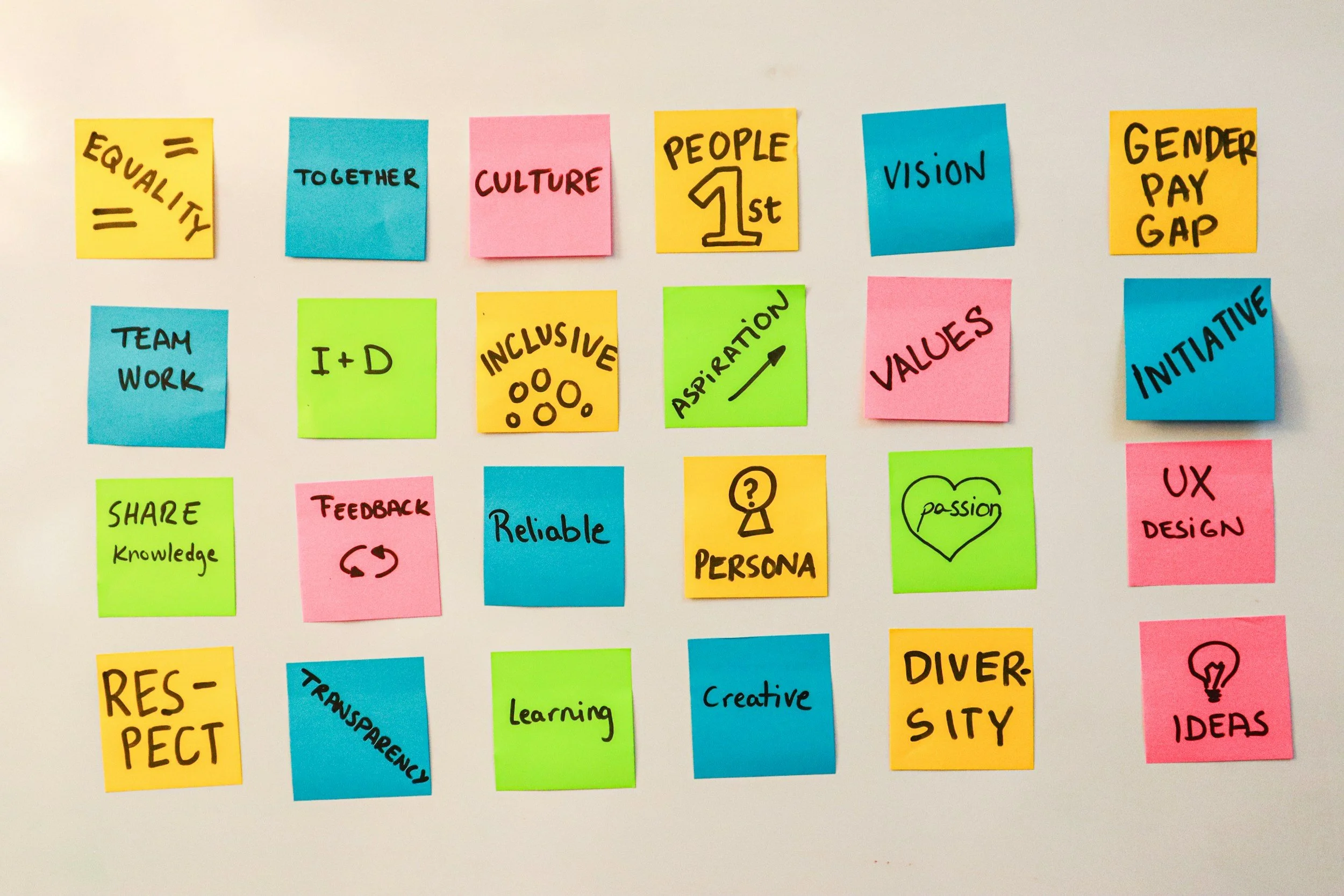
Why Personal and Family Vaues Matter for Your Mental Health and Your Relationship
Many people come to therapy feeling anxious, disconnected, or stuck in patterns that do not feel like them. Often the real issue is not a lack of effort or motivation. It is that their daily behaviors are no longer aligned with their personal and family values. When you are living out of alignment with what truly matters to you, tension builds in your mental health and in your relationships. Clarifying your values creates direction, strengthens connection, and helps you make decisions that reflect the person and parent you want to be.

Refueling Your Nervous System
If you have been feeling irritable, overwhelmed, or disconnected, your energy may be depleted. This article explores how the nervous system impacts mood and connection, plus reflection questions for every age to help you recognize what drains you and what restores you so you can feel more grounded and present in your life.

The Truth About “Mom Brain” Executive Functioning and the Unique Impact on Mothers
If you’ve ever felt more forgetful, overwhelmed, or mentally stretched since becoming a mom, you’re not imagining it. The transition to motherhood reshapes the brain in powerful ways. Let’s talk about why “mom brain” is real and why it deserves compassion, not criticism.