
Busy Season Survival for Women in Public Accounting
Busy season has a way of turning capable, intelligent women into people who feel like they’re barely keeping it together, while still performing at a high level.
If you work in public accounting, you already know the unspoken rules: long hours, constant deadlines, little margin for error, and the quiet expectation that you’ll “power through” because that’s just how busy season is.
But even when it’s expected, that level of intensity takes a toll.

The Day I Took My Licensure Exam and Nothing Happened
Licensure was supposed to feel like fireworks. Confetti. Proof that I had finally arrived. Instead, it felt more like getting married after already living together. The paperwork changed, but the work stayed the same.

Where Do the Grieving Moms and Daughters Go?
It’s early morning, and before the day has even begun, you already feel depleted. The house is loud, your senses are flooded, and grief sits heavy in your chest as you move through the motions. Ever since your parent died, every day feels like Groundhog Day. You show up because you have to, (for your kids, your partner, your life) but survival feels like all you have to give.
Losing a parent while raising young children carries a unique weight. You’re holding your own grief while also supporting your children’s, all while the world keeps demanding more from you. There’s little space to fall apart, even when everything inside you needs tending.
This space was created for the moms who are quietly carrying it all. The ones who love their children deeply, miss their parent endlessly, and are longing for a place where their grief is allowed to breathe. You don’t have to do this alone anymore.
Read more about how grieving moms can find support, connection, and space to heal.
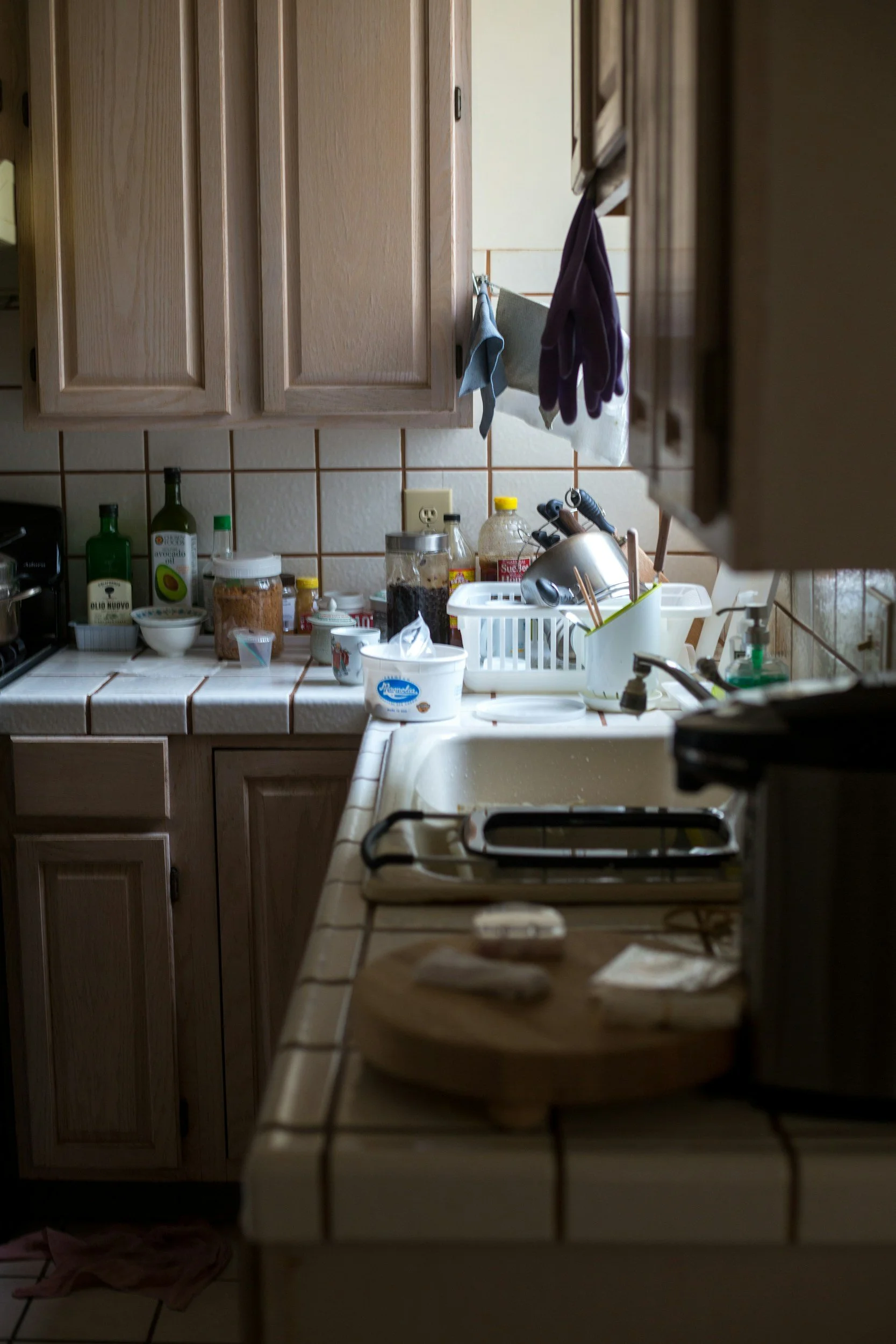
We don’t need more stuff. We need less. A therapists perspective on ADHD, family overwhelm and regulation.
We were taught that when life feels out of control, the answer is better organization. More bins. More systems. More structure. But for ADHD brains and overwhelmed families, more organization often just becomes more pressure. More to manage. More to remember. More to feel behind on. Sometimes the answer is not another system. Sometimes the answer is simply less.

Why Self Pay Therapy Is Often Better and Why Many Licensed Therapists Do Not Take Insurance
Self pay therapy allows clients to receive flexible, private, and personalized care without insurance restrictions. Many licensed therapists choose this model because it removes forced diagnoses, protects privacy, and allows therapy to move at the pace of real life.


When White Elephants Don’t Feel Funny Anymore- Guest Blog
Guest Blog- When White Elephants Don’t Feel Funny Anymore

The Great Holiday Homecoming
When college kids come home for Thanksgiving or winter break everyone expects cozy family time but the reality can feel a little more chaotic. Your student has been living like an independent almost adult and you have been living in a peaceful routine. This blog walks you through how to talk about curfews chores and social plans before the tension hits so the holiday break feels calmer kinder and way less dramatic.

Helping Your Child Understand Celiac Disease: Our Family Story and a Gentle Storybook for Kids
Celiac disease can feel confusing and scary for children, especially when they are facing testing, new rules, or a recent diagnosis. In this post, I share our family’s journey, the lessons we’ve learned, and a gentle, child-friendly story inspired by my work with families at the CHOP Celiac Center. This simple storybook about Annie Grace is designed to help kids feel brave, supported, and less alone as they begin their gluten-free journey.

For the New Therapists Who Need to Hear This Today
There’s a point in every new therapist’s journey when you realize something no textbook ever prepared you for: there are no coping skills powerful enough to override unmet basic needs. You can offer grounding tools, insight, and emotional support, but you cannot out-therapize hunger or talk someone into feeling safe when they’re not. And that isn’t a failure of your training or your clinical skills. It’s a reminder that human beings need food, rest, stability, and safety before they can access growth. In community mental health especially, this truth becomes impossible to ignore and often sits at the root of burnout. We try to treatment-plan our way through food insecurity and systemic gaps, when what clients really need is support far beyond the therapy room. The work becomes more sustainable the moment you release the pressure to fix what is fundamentally not a clinical problem, and instead meet yourself and your clients with grace.

Act 53 in Pennsylvania: A Law Many Families Still Do Not Know Exists
Many parents believe that if their teenager refuses drug or alcohol treatment, there is nothing they can do. In Pennsylvania, that is not entirely true. Act 53 allows parents or guardians to petition the court for a drug and alcohol evaluation and possible treatment for adolescents under 18. Even though the law has existed for years, many families and professionals still do not know it exists. This article explains what Act 53 is, how the process works in Bucks County, and why families across Pennsylvania should be aware of this option.

When Cutoff Isn’t The Goal: A Call for Accountability, Connection & Healing
Cutoff is rarely the goal in parent–child relationships. Most adult children are not asking their parents to carry blame, but to acknowledge the pain that existed and to heal together. When accountability is avoided, both parents and children experience a kind of living grief. But when it is embraced, that grief can become a bridge back to connection, repair, and relationship.

So, You Don’t Have ADHD? Here’s What It’s Like for Those Who Do
ADHD is what happens when your brain forgets time exists, treats choosing socks like a major life decision, and suddenly becomes a productivity machine five minutes before a deadline. This article explains the ADHD brain with humor, real-life examples, and a whole lot of validation.
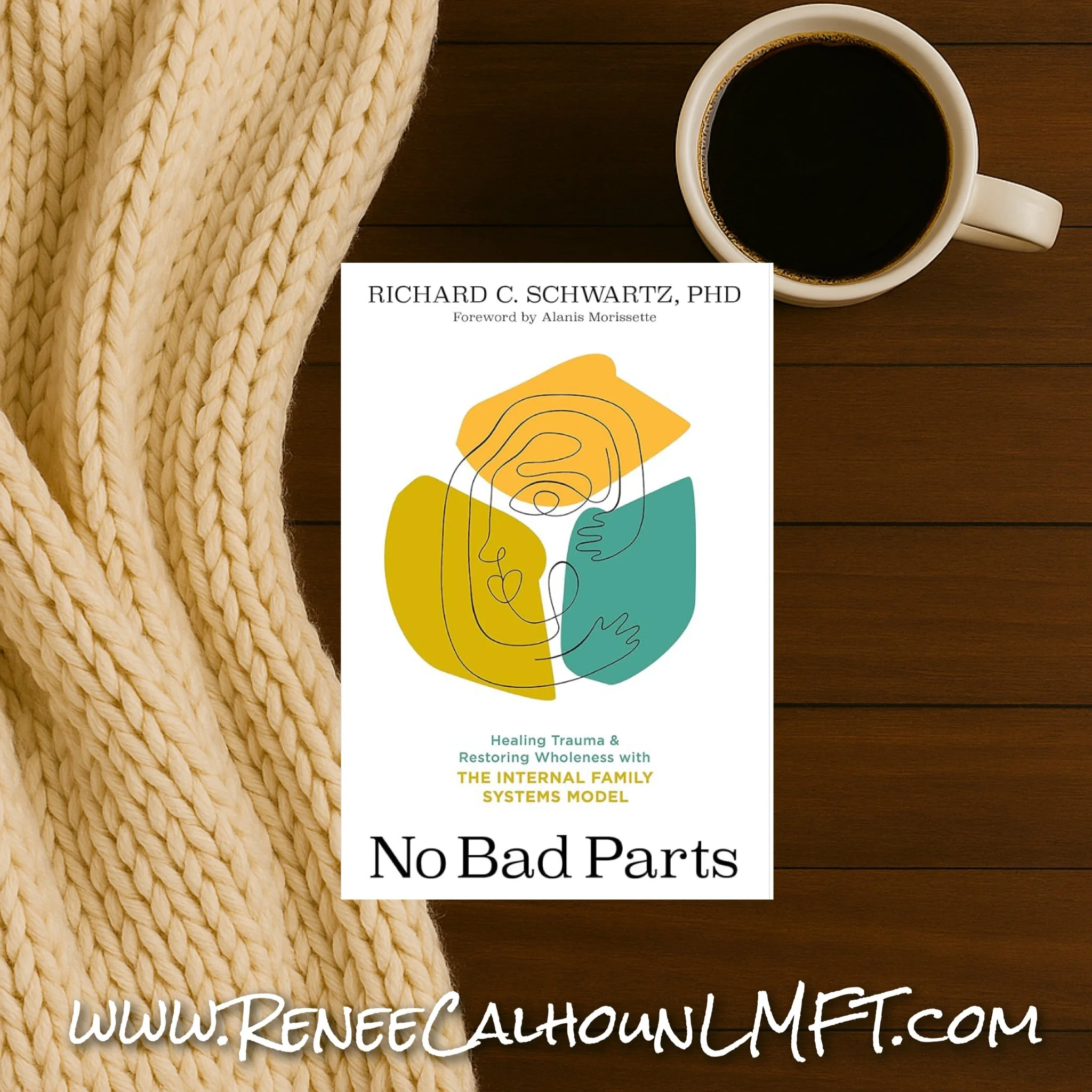
Book Club Review: No Bad Parts
Have you ever thought, “Part of me wants to change jobs but another part wants to stay where it’s safe”? Many people experience these inner conflicts. In this article, therapist Renée Calhoun shares insights from a therapist-led book club on No Bad Parts by Richard Schwartz and explains how Internal Family Systems (IFS) therapy helps people understand the different “parts” of themselves with curiosity and compassion.

Book Review: The Happiest Kids in the World
What if raising happy children is not about doing more but about doing less? In this review of The Happiest Kids in the World, we explore how Dutch parenting prioritizes independence, connection, and balance to raise confident and resilient children.

To the Mom Who Made the Birthday Magic Happen
You did it, mama. Another birthday. Another year of keeping your child alive, loved, and held together in ways no one else fully sees. This isn’t just about cake and candles. It’s about the invisible work, the late nights, the mental load, and the quiet moments where you wonder if you did enough. I see you. And what you’re doing matters more than you know.

Letter to the One Watching It All Unfold
When an affair goes public, the impact reaches far beyond the couple. This trauma-informed letter speaks to adult children, teens, friends, and bystanders navigating the emotional fallout of someone else’s betrayal, offering validation, clarity, and guidance for processing what they’re feeling.

AI Won’t Replace You. But Stagnation Might.
AI isn’t here to replace you. It can’t replicate presence, intuition, or the human connection that therapy requires. But if you’re stuck, avoiding growth, or offering surface-level work, something else might take your place. This is a direct, honest look at what it means to evolve as a therapist in a world that’s changing quickly.

You’re Halfway Through Summer, Mama…and You’re Doing Better Than You Think
You’re halfway through summer and if no one has said it yet, you’re doing great. The snacks, the rides, the chaos, the constant requests, it’s a lot. And if you’re feeling pressure to make every day magical, this is your reminder that you don’t have to. The simple, messy, unplanned moments are where the real magic lives.
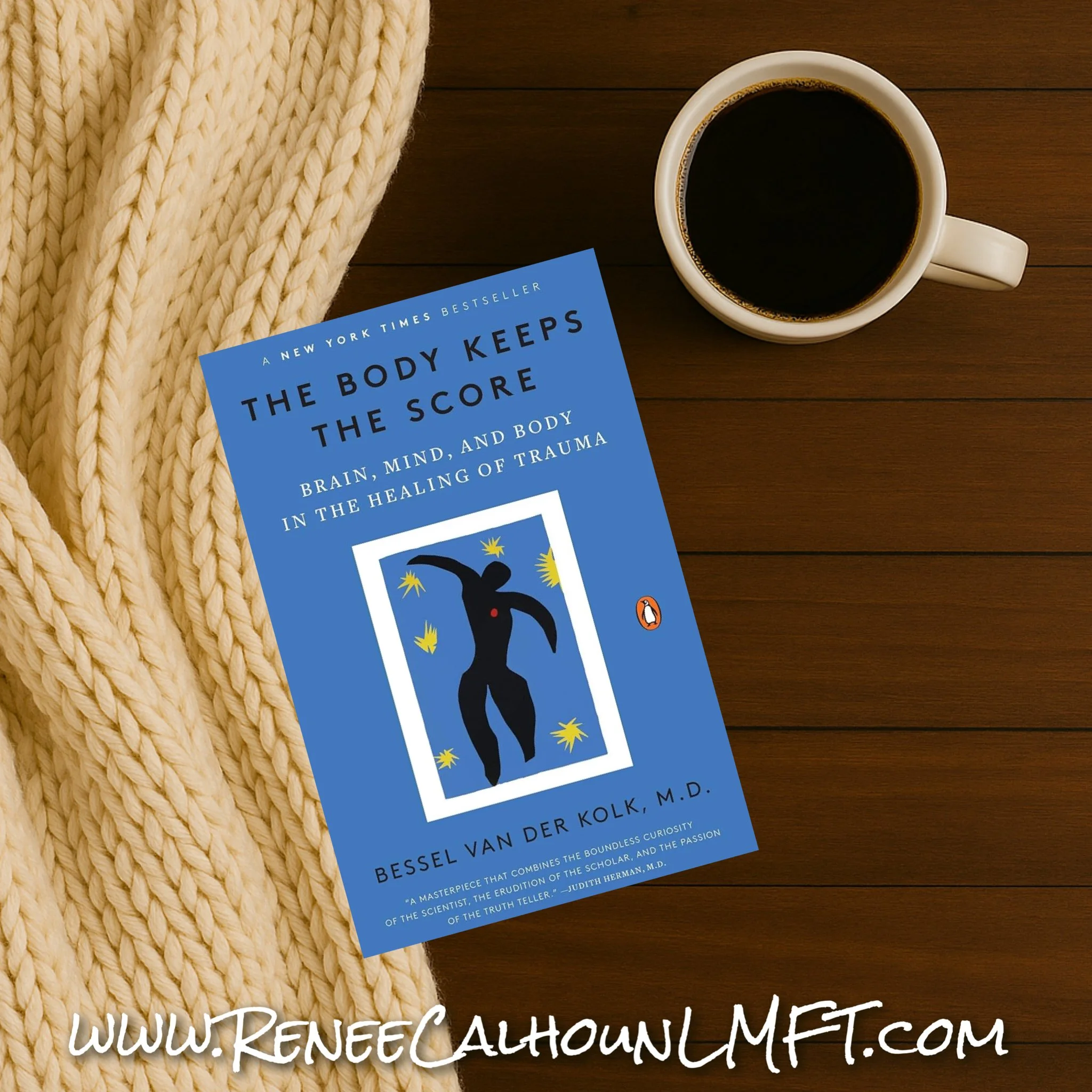
Book Club Review: The Body Keeps The Score
A therapist reflects on reading The Body Keeps the Score in a book club filled with clinicians and explains why she is no longer recommending it to clients. While the book contains critical insights about trauma and the nervous system, it is dense and difficult for many readers. The biggest takeaway is simple but powerful. The mind and body are not separate systems. They are integrated, and healing requires caring for the nervous system as well as our thoughts.